
Toyota Might Be Working On Delaying EV Adoption
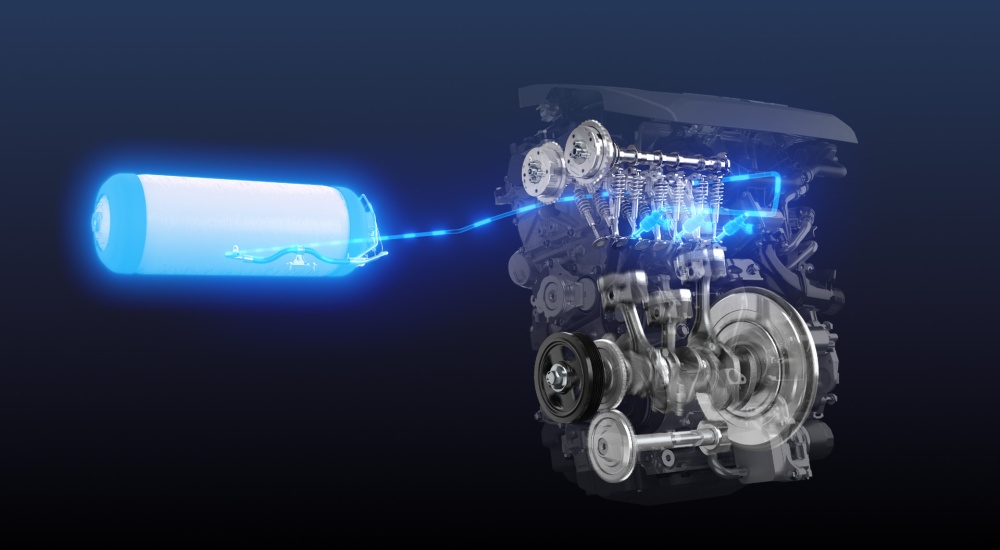
According to a New York Times report, the world’s largest vehicle manufacturer is actively trying to slow down EV adoption in a bid to save its investment in the FCEV and plug-in hybrid segment.
Today it is becoming more and more evident that electric propulsion is the future of mobility, but range anxiety continues to deter many from adopting EVs. In a bid to offer more environmentally conscious products and probably sidestep the limitations of battery-powered EVs, Toyota invested in the FCEV and battery–electric segments a long time ago. Now according to a New York Times report, the world’s largest vehicle manufacturer (by volume) is actively trying to slow down EV adoption.
Its all-electric product portfolio made Tesla the world’s most valuable automaker, and many legacy car brands have followed suit. Even though it was once the frontrunner of the green car movement with models like Prius and Mirai, Toyota entered the electric-only segment quite late. The Japanese automaker unveiled its first battery-powered model- the bZ4X- earlier last month, and the electric crossover is scheduled to enter production next year.
“Last month, Chris Reynolds, a senior executive who oversees government affairs for the company, traveled to Washington for closed-door meetings with congressional staff members and outlined Toyota’s opposition to an aggressive transition to all-electric cars. He argued that gas-electric hybrids like the Prius and hydrogen-powered cars should play a bigger role, according to four people familiar with the talks,” reports New York Times.

Earlier last year, several automakers entered a tailpipe emissions deal with California seeking stricter emissions regulations in the state. Toyota refused to be a part of that agreement, and the company’s executives even opposed the compromise in a recent meeting that was held in Washington.
“Toyota’s strategy is that, in the longer term, hydrogen fuel cell cars can still be a major technology for passenger cars, with gas-electric hybrids helping reduce emissions in the short term,” the Times proposed.
It is quite possible that Toyota is trying to slow down EV adoption to catch up with other automakers, and the Biden administration’s support for EVs can seriously hurt the Japanese automaker’s market share. As we have mentioned earlier, energy vector transition is the name of the game in the green car movement. Even though FCEVs are more efficient than ICE vehicles, the infrastructure required to support hydrogen-powered vehicles can be quite expensive, and EVs prove to be more environmentally friendly in the long run.
Image Source: Toyota