
Toyota’s Battery Electric Vehicle Bombshell
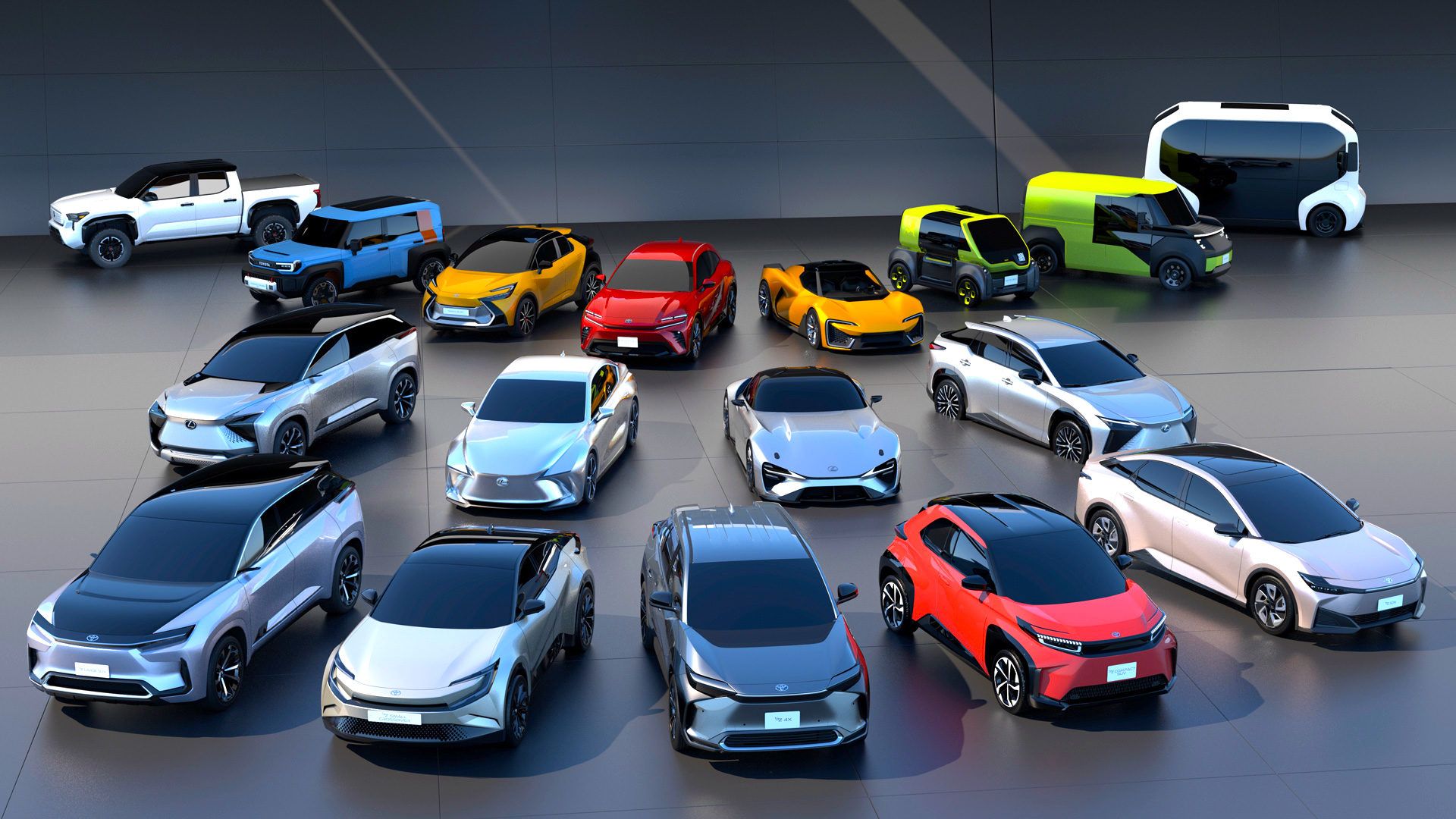
Toyota Boss Lays Out His Bold 30 Model Plan to Sell 3.5 Million BEVs a Year by 2030
Toyota Motor Company boss Akio Toyoda today unleashed a significant and somewhat unexpected new battery electric vehicle philosophy for the company. It includes the launch of over 30 new Toyota and Lexus battery electric models as part of a multi-billion dollar program to sell over 3.5 million electric Toyotas a year by 2030.
“Achieving carbon neutrality means realizing a world in which all people can continue to live happily on this planet well into the future,” Toyoda explained standing by a trio of new BEV prototypes. “We want to help realize such a world. “For that challenge, we need to reduce CO2 emissions as much as possible, as soon as possible. “Let’s start with our new Toyota bZ range, where bZ means beyond Zero.”

Toyota’s First BEV Launches Next year
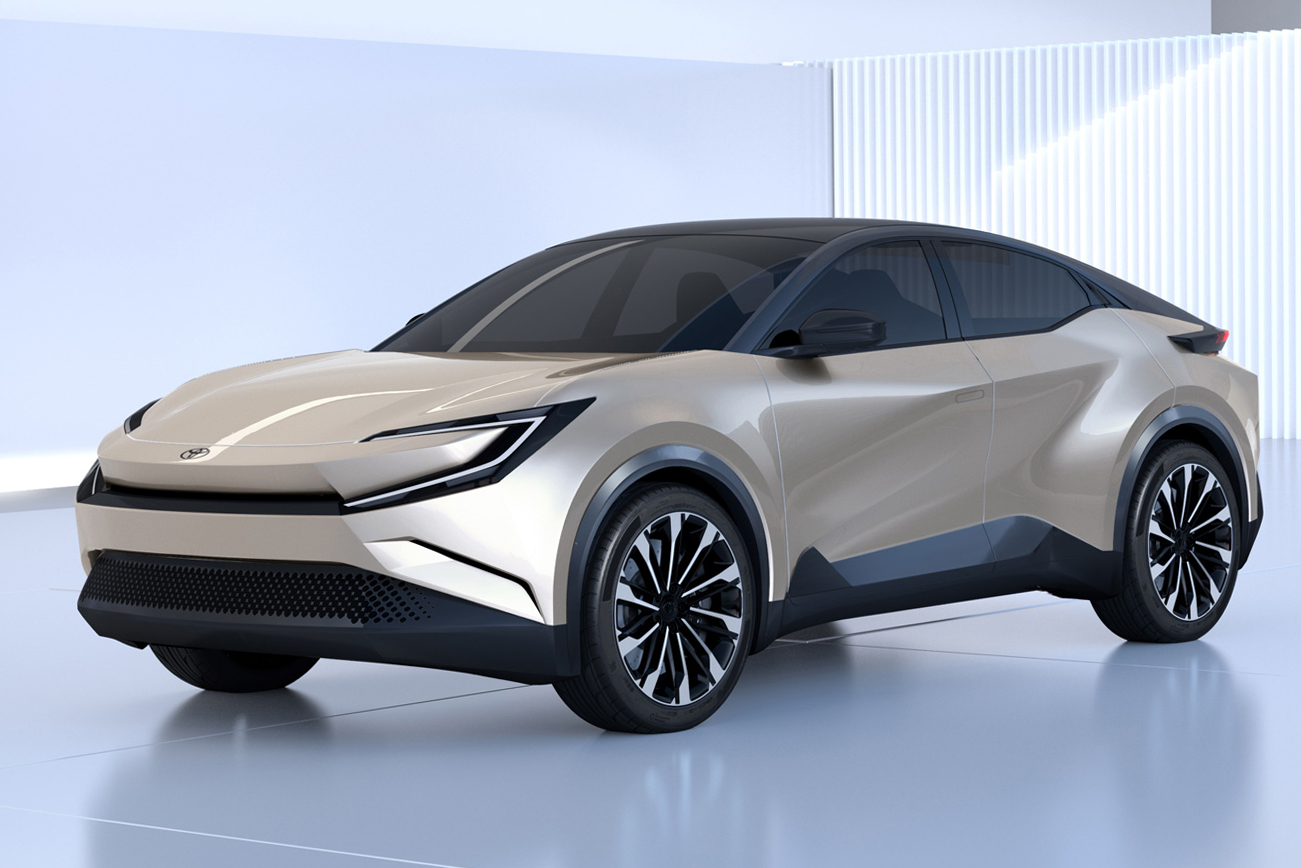
Toyota’s first mass-market BEV the bZ4X will launch next year. Jointly developed with Subaru and built at the Motomachi Plant, Toyoda suggests it will be smooth and manoeuvrable with the drivability of a genuine SUV. From there the bZ lineup will expand to two more BEV SUVs including a sleek midsize SUV (second image from bottom) and a compact SUV (the red car in the image third down) ‘designed with Europe and Japan in mind’ and in keeping with Toyotas key BEV philosophies.
“The more batteries you add to extend cruising range, the bigger, heavier, and more expensive an electric vehicle becomes,” Toyoda explained. “We are very particular about power efficiency. “In other words how much less energy a vehicle needs to run. “That is exactly the technology that Toyota has been refining for more than 30 years. “We aim for best in the compact SUV class 125 watt-hours per kilometer power consumption.”
Then the giant white curtain behind Toyoda suddenly dropped to reveal 20 more, seemingly production-ready Toyota BEVs. They included everything from a pickup truck to a Cruiser, to sports cars, city cars, sedans and SUVS, as well as commercial vehicles.
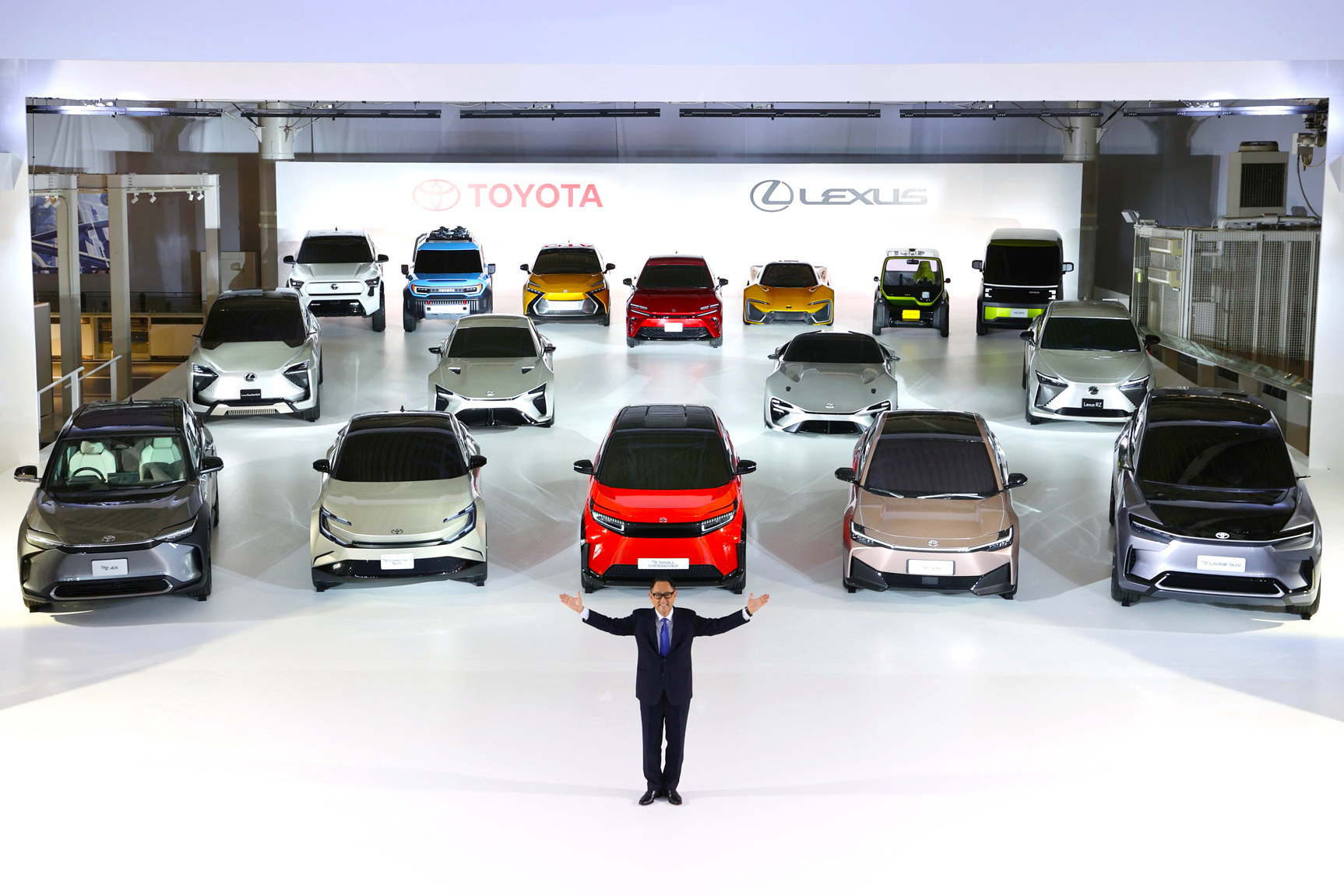
Toyota’s Showroom of the Future
“Welcome to our showroom of the future!” Akio Toyoda beamed. “We plan to roll out 30 battery EV models in a full lineup of battery EVs in the passenger and commercial segments by 2030. “It will be a full lineup of reasonably priced mass-production models, such as the bZ series, to meet the needs of all kinds of customers in a broad range of beautifully styled, fun to drive BEVs.
“We can position batteries and electric motors to bring more freedom to battery EVs, so each electric vehicle should be unique and special,” Toyota pointed out. “Whether that be to enhance Toyota’s off-road heritage, finding new ways to combine versatility with dynamic driving or meeting the challenges of smaller mobility solutions, there will be a Toyota EV for you, an EV for me and an EV for everyone.”
Toyota also now aims to achieve global sales of 3.5 million battery EVs per year by 2030. “Thats up on original projections of 2 million BEVs a year. The company plans to have battery EVs for 100 percent of our sales in Europe, North America, and China. And Battery EVs should make up 100 percent of Toyota’s global vehicle sales in 2035.
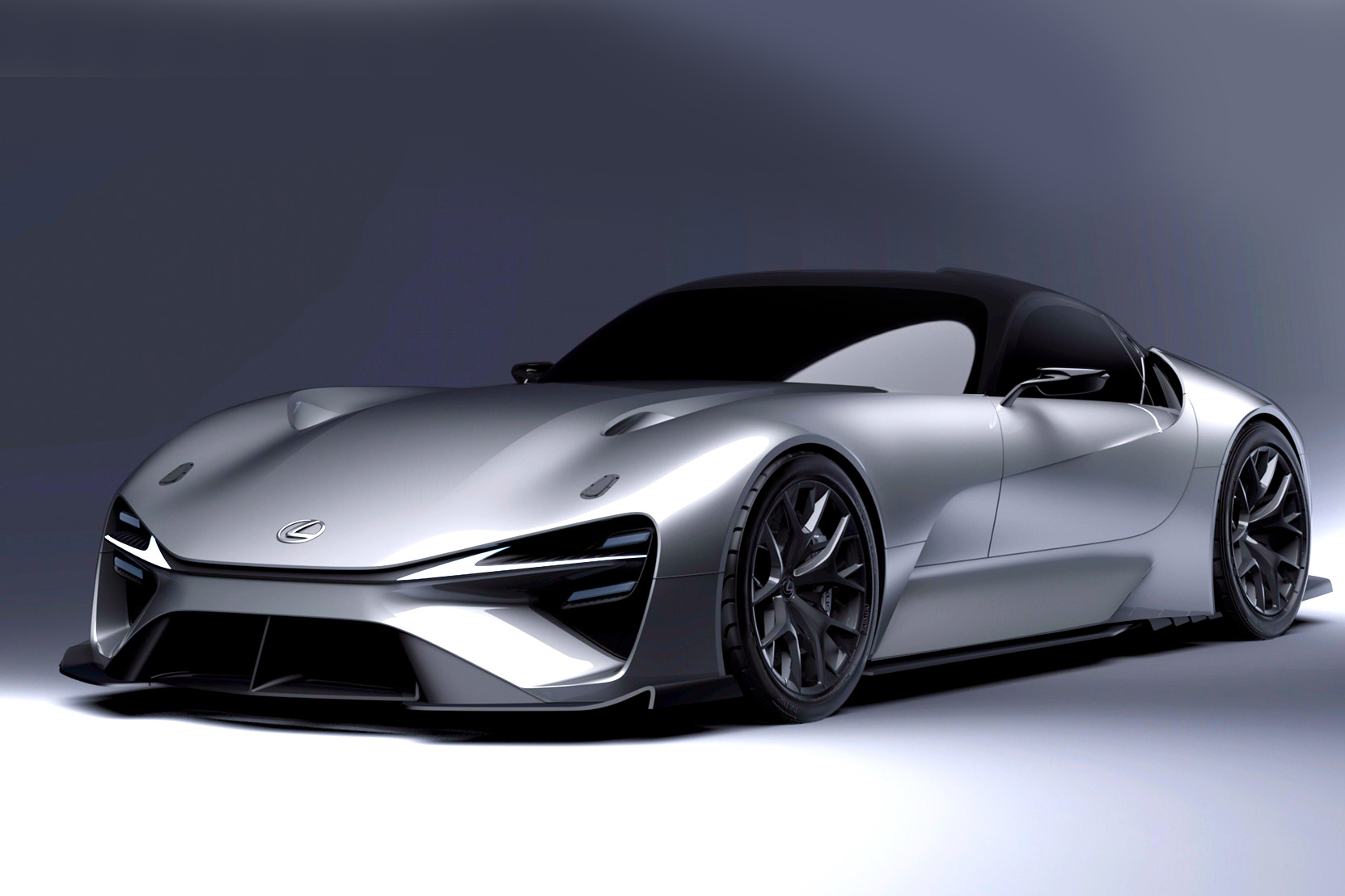
0-60 in 2 Seconds, 430 Miles Range
Toyota already offers more than 100 engine-only, hybrid electric, plug-in hybrid electric and fuel cell electric vehicle models in over 170 countries. As well as 30 Lexus models in over 90 countries and regions. Toyoda went on to point out that Lexus has pursued a unique styling and driving signature, and, as a pioneer in hybrid electric technology, it has refined its electrification technology. He then singled out a sleek sportscar concept.
“Our new Lexus chapter will further pursue the joy of driving,” Toyoda promised. “The new RZ, where Z means Zero, will take the Lexus driving signature into a new battery future. “The Lexus Electrified Sport will deliver unique driving performance, accelerate to 60 mph in the low 2 seconds with a 430 mile cruising range, possibly using solid-state batteries. “It will be a truly high performance Battery EV as Lexus develops into a brand centred on BEVs.”
Toyoda also went to lengths to define his company’s deep electric vehicle history and pedigree. “In 1992, we established our Electric Vehicle Division and started our development of battery EVs,” he pointed out. “We brought the RAV4 EV to market in 1996 and in 1997, we launched the Prius, the world’s first mass-production hybrid EV.”

An Unsung But Proud Electric Vehicle History
“We have also developed hydrogen fuel cell EVs over many years. “Toyota introduced the FCHV in 2001, and the first-generation Mirai in 2014. “We have also used these technologies to power buses and large trucks. “As our fuel cell electric vehicles has continued to evolve. “Toyota has researched, developed and produced batteries in-house for many years.
“We have refined our nickel-metal hydride batteries, accelerated the development of lithium-ion batteries and advanced research on solid-state and other next-generation batteries. “And we have accelerated integrated efforts across the battery business. “We have invested 25 billion dollars and produced more than 19 million batteries. “We believe that our accumulated experience is an asset that gives us a competitive edge.
“Going forward, we will increase our new investment in batteries from the $12-billion announced in September to $17 billion, as we aim to realize even more-advanced, high-quality, and affordable batteries. Toyota Tsusho has also been working to secure renewable energy sources such as wind and solar power generation for more than 30 years. “And our manufacturing plants will achieve carbon neutrality by 2035 by continually reducing energy use.”
More is More at Toyota, Well for Now Anyway!
Toyoda closed off by explaining how Toyota plans to adapt to emerging trends. In an effort to keep abreast of an ever changing market landscape. “It is important remain flexible while keeping an eye on market trends,” he pointed our. “The reduction in lead times and high-mix, low-volume production methods, along with the steady efforts of Japanese manufacturing and our many partners, will enable us to be competitive going forward.”
Toyoda further explained that the present global energy situation also varies greatly from region to region. “That is why Toyota is committed to providing a diversified range of carbon-neutral options. “To meet the needs and situations in every country and region. “Our local markets and customers decide which options to choose.
“So, while one might think it’d be more efficient to focus on fewer model choices. “We believe that quickly adapting to changes in the future is more important than trying to predict an uncertain future. “That is why we want to keep many options available for our customers until the right path is clear.

Toyota Wants a Brighter Future
“Toyota aims to contribute to the global environment,” Akio Toyoda concluded. “We want to produce happiness for all. “And to pass on an ever-better future for the children of today and those who will come after them. “We want this brighter future to be something created by all of us together. “To be able to leave behind many smiling faces and a beautiful Earth for the next generation.”
-
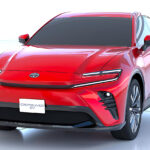
- Toyota bZ Crossover
-
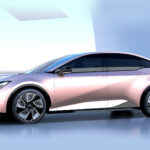
- Toyota bZ SDN
-
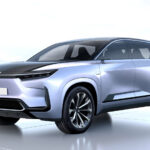
- Toyota bZ Large SUV
-

- Toyota bZ Sports
-

- bZ Compact Cruiser
-
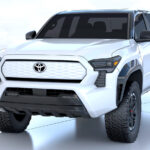
- Toyota bZ Pick Up
-
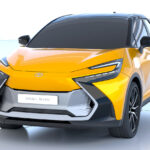
- Toyota bZ Small SUV
-
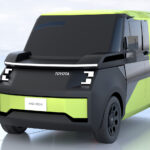
- Toyota Mid Cube
-

- Toyota Mini Cube
-
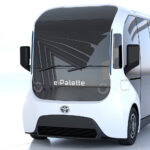
- Toyota e-Palette
-
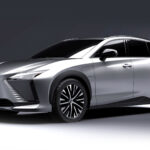
- Lexus RZ
-
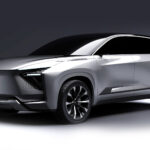
- Lexus Electrified SUV
-
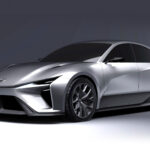
- Lexus Electrified Sedan
Images: Toyota