Whether you’re a first-time buyer or upgrading from an earlier model, a strategic approach can make the transition to electric smoother and smarter.
Electric vehicles are gaining ground, but owning one isn’t without compromise.
Despite rapid technological advancements and growing infrastructure, EV ownership in 2025 still comes with some significant hurdles. From charging inconveniences to resale uncertainties, here's a look at the eight biggest downsides of owning an EV today—and how to deal with them realistically.
1. Public Charging Still Isn’t Seamless
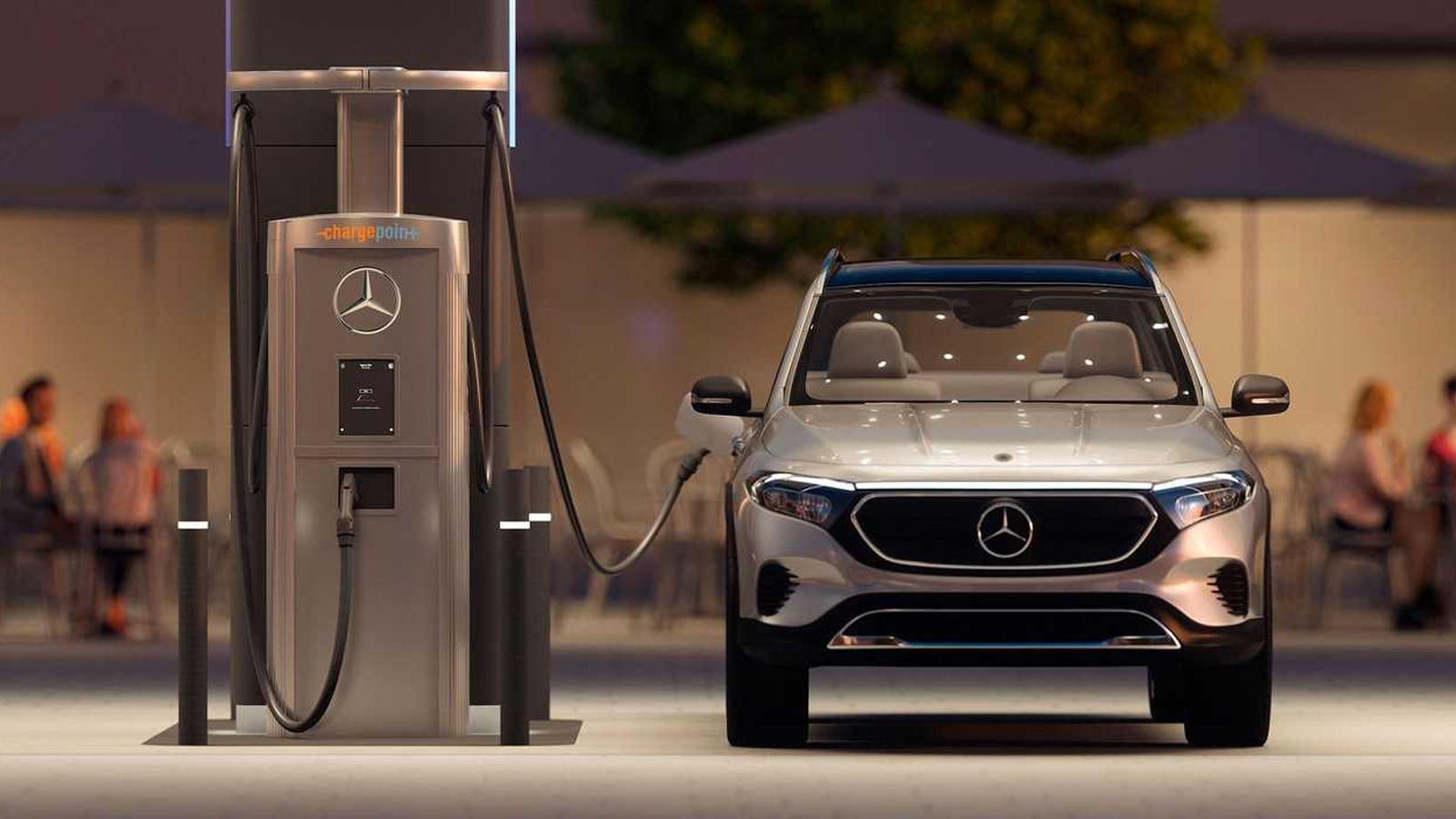
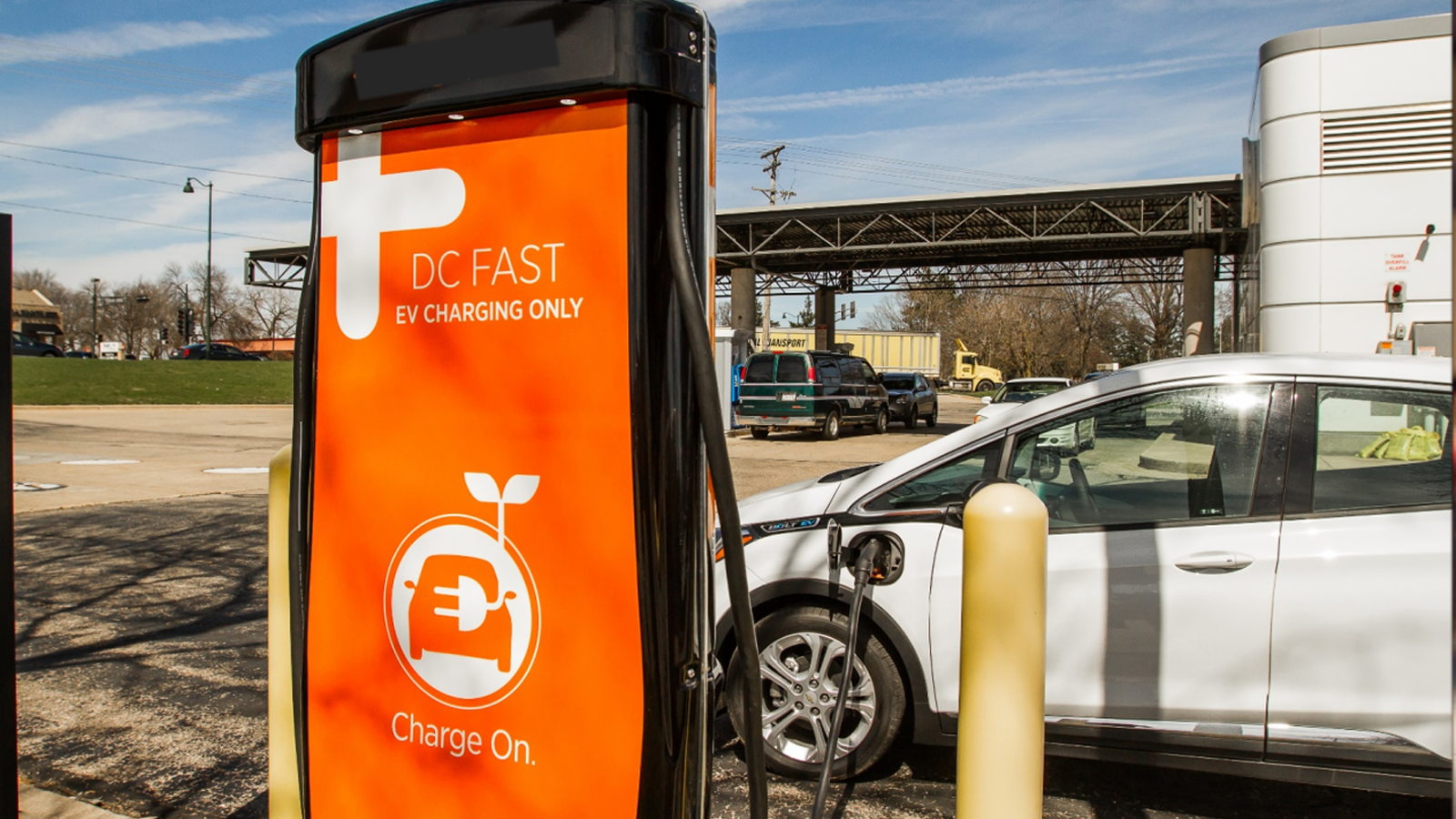
Even with expanded networks, charging infrastructure in 2025 remains fragmented. Charger availability, reliability, and payment compatibility vary wildly depending on the provider and region.
How to overcome it:
Stick to EVs compatible with major charging networks like Tesla’s NACS (now used by Ford, GM, and others) for better reliability. Use real-time charging apps (e.g., PlugShare, Chargeway) to plan routes and avoid out-of-service stations.
2. Long-Distance Travel Can Be a Hassle
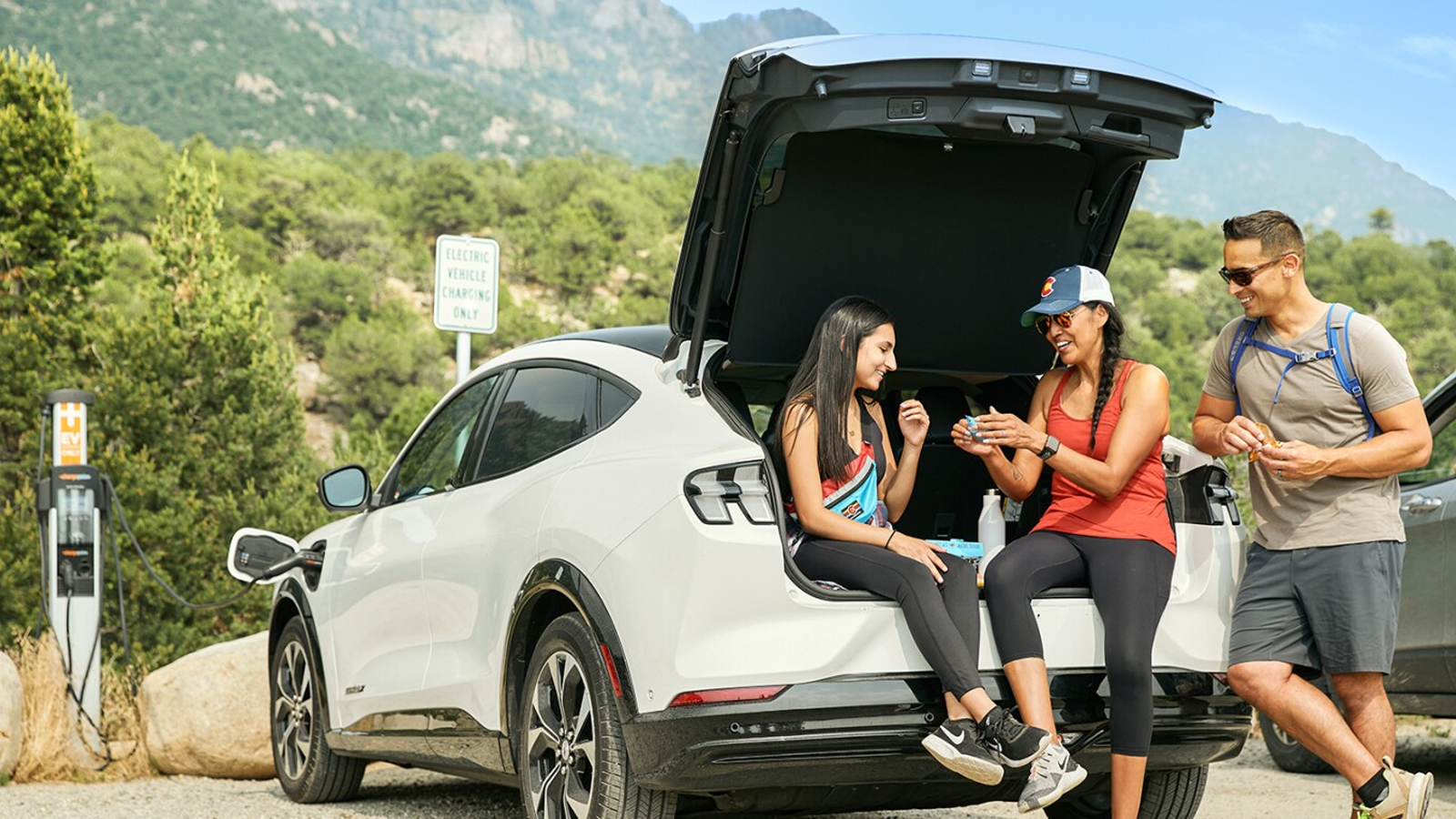
Even with high-speed DC fast charging, long trips often involve longer stops and careful planning. Cold weather, battery degradation, and elevation changes can all reduce real-world range below advertised figures.
How to overcome it:
Choose an EV with at least 300 miles of real-world range if you plan to travel often. Precondition your battery en route to chargers (many EVs offer this) and plan for contingencies like detours or limited charging access
3. Battery Replacement Costs Are Still High
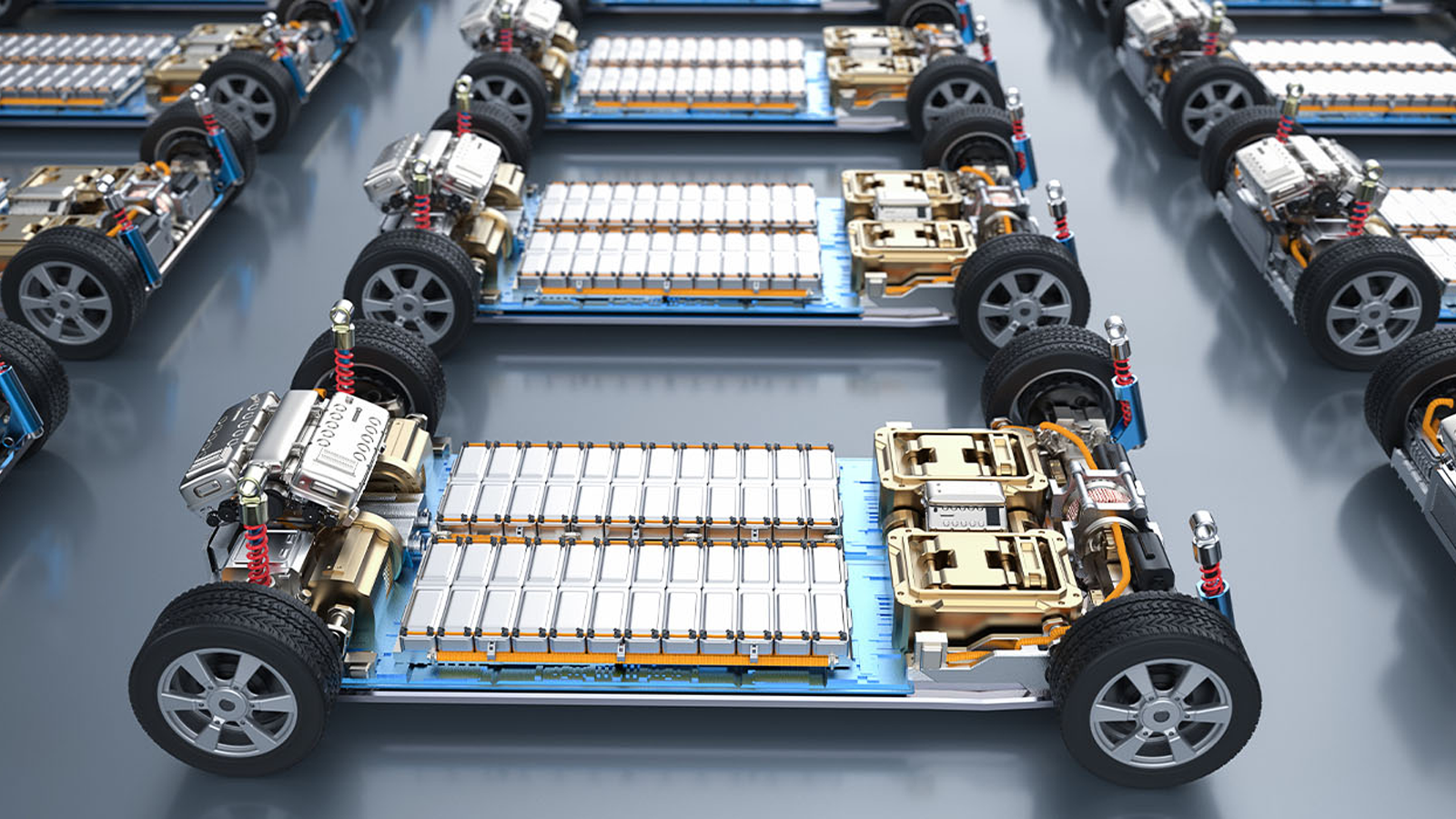
While batteries are lasting longer than expected, replacement costs for out-of-warranty packs remain steep—often $10,000 or more. That’s a major concern for long-term owners or buyers of older used EVs.
How to overcome it:
Buy an EV with a strong battery warranty (8 years/100,000 miles is standard). For used EVs, request a battery health report before purchase. Avoid early-generation models with outdated chemistry or thermal management issues.
4. Charging at Home Isn’t Always Possible
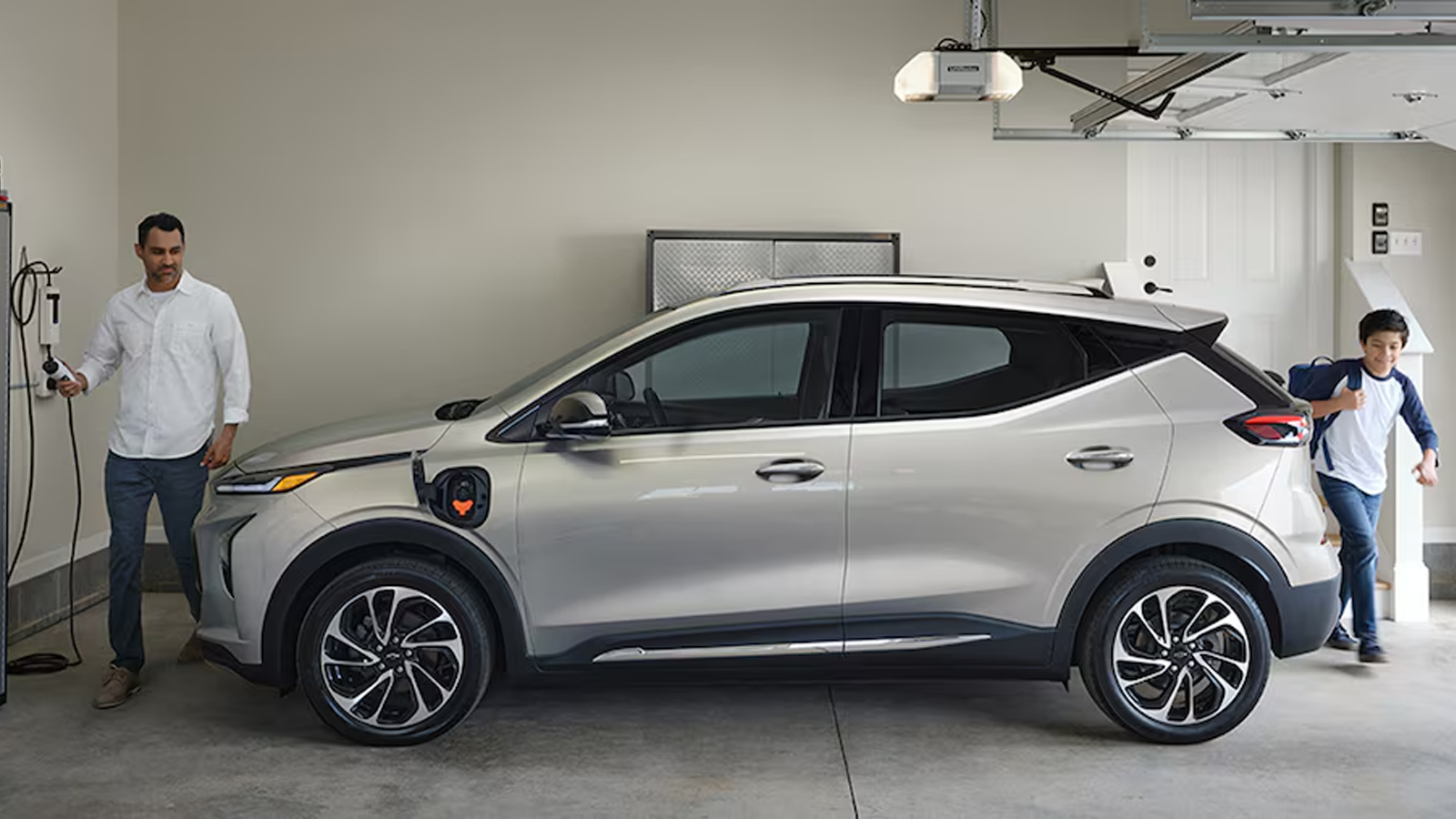
EV ownership is much easier with a dedicated home charger. But for renters, apartment dwellers, or people without garages, access to reliable overnight charging may be limited or nonexistent.
How to overcome it:
Look for workplace or public Level 2 charging near your home or office. Some municipalities offer curbside charging programs. If you rent, consider portable Level 1 or 2 chargers (where allowed) or lobby your landlord for installation incentives.
5. Upfront Costs Are Still Higher
Although EV prices have come down, they still carry a higher MSRP than comparable gas vehicles. Federal tax credits help, but not all models or buyers qualify, and lease deals can vary.
How to overcome it: Take advantage of the revised 2025 EV tax credit system, which now allows instant point-of-sale discounts. Compare TCO (total cost of ownership) over 5–10 years, factoring in fuel and maintenance savings. Leasing can also reduce the upfront burden if you don’t plan to keep the vehicle long-term.
6. Cold Weather Impacts Performance and Range
In cold climates, EVs suffer from increased battery resistance, reduced regen braking, and higher energy draw from cabin heating systems, resulting in range drops of 20–40%.
How to overcome it:
Opt for EVs with heat pump systems, which are more efficient than resistive heaters. Use scheduled preconditioning while still plugged in to warm up the cabin and battery. Carry a portable charger as a backup in winter.
7. Resale Values Are Unpredictable
EV resale values have been volatile in recent years due to rapidly evolving technology and shifting government incentives. A 3-year-old EV may lack competitive range or charging speed compared to newer models.
How to overcome it:
Focus on brands with proven battery longevity and OTA update capabilities (e.g., Tesla, Hyundai, Ford). Leasing eliminates long-term resale risk. If buying, consider newer models with bidirectional charging or solid update support to improve future-proofing.
8. Limited Towing and Payload Capability
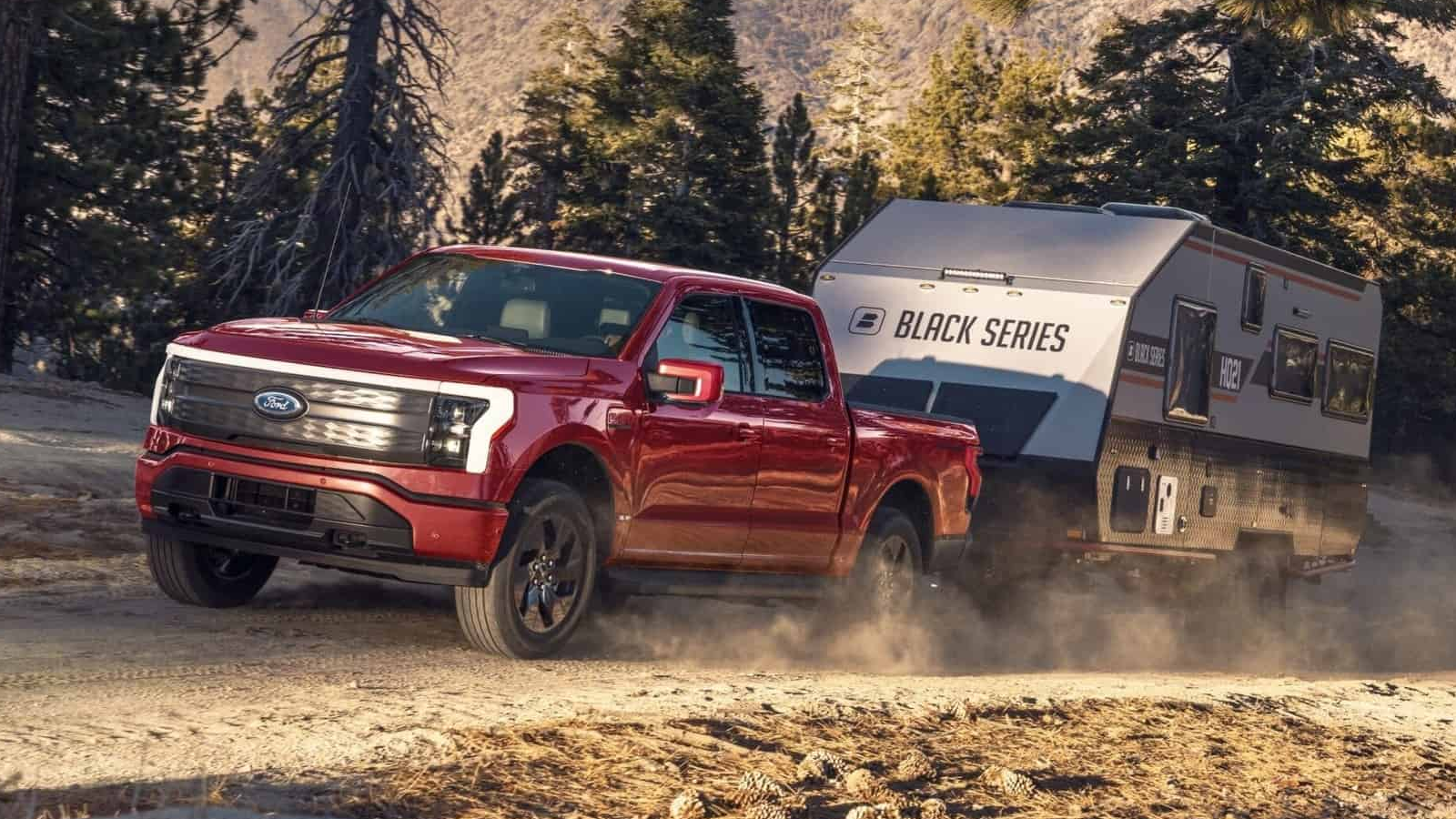
Most EVs are built with efficiency in mind, not heavy-duty hauling. Towing significantly reduces range—often by 40–50%—and charging options for trailers or RV setups remain scarce.
How to overcome it:
If you regularly tow, consider EV trucks like the Rivian R1T or Ford F-150 Lightning, which are designed for moderate towing needs. Plan routes around high-speed chargers with trailer-friendly access, and disconnect trailers when needed to fit into tight charging spots.